GRACE applies an intersectional and community-led approach to ensure climate action responds to the gendered realities of young girls, women, and transgender persons (in all their diversities). By working closely with grassroots actors, youth-led organizations, and frontline workers like Lady Health Workers (LHWs), we strengthen local capacity, enable collective advocacy, and bridge gaps between grassroots communities and policymakers.
GRACE works through four interconnected pillars to integrate gender equity into climate action and strengthen community-led responses explained as follows:
Strengthening Grassroots Leadership
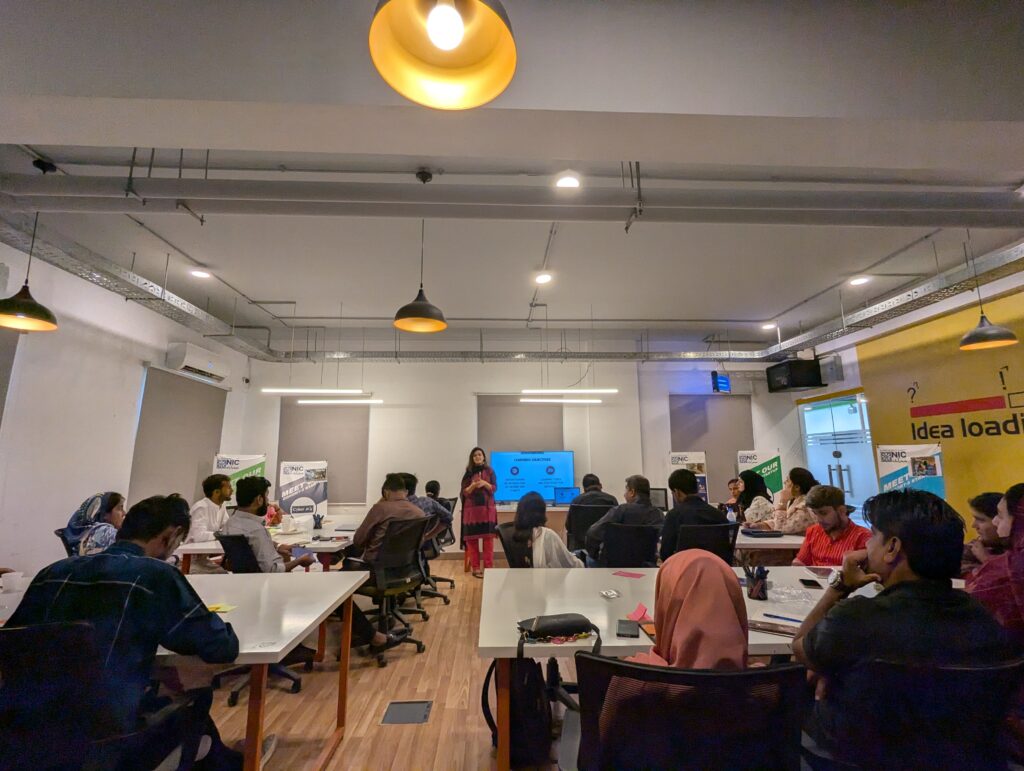
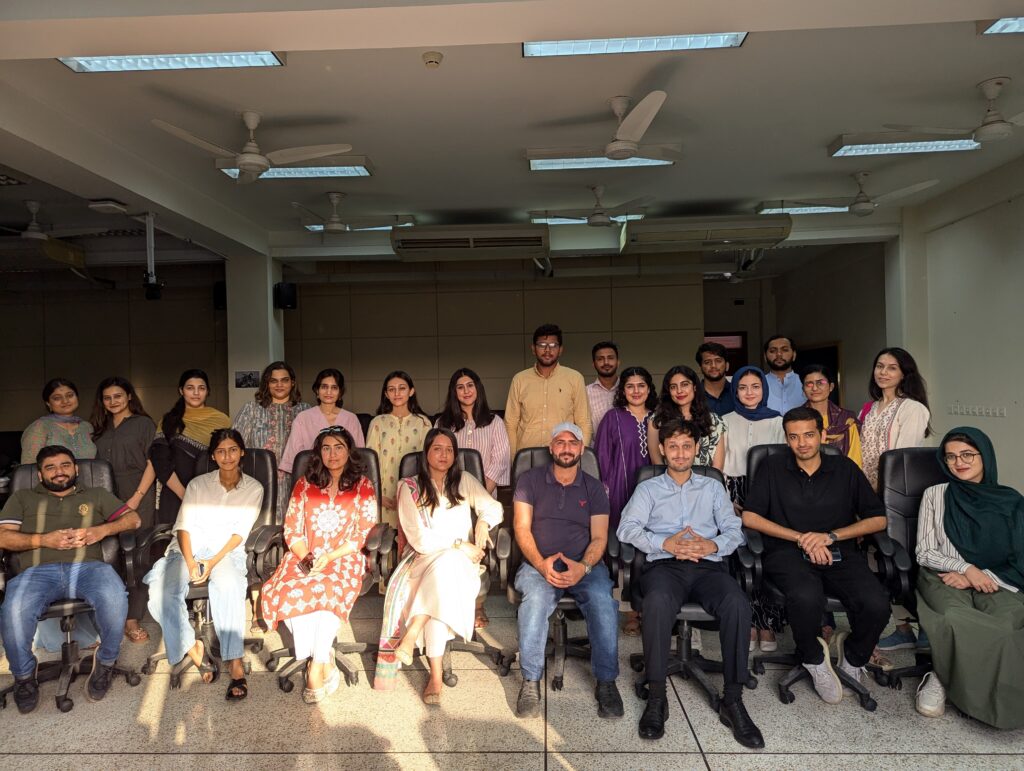
Grassroots actors including community-based organizations, youth groups, and local volunteers are often first responders during climate disasters. GRACE equips them with tools and knowledge on gender-responsive climate action, SRHR, and advocacy.
Our training modules have been co-created with grassroots CSOs through extensive consultations, ensuring they reflect local realities, priorities, and lived experiences. These tailored modules empower participants to design inclusive responses, address gender-specific challenges, and engage meaningfully with decision-makers.
Empowering Youth-Led, Women-Led, and Trans-Inclusive Organizations
Young people, women, and transgender activists are at the forefront of climate resilience efforts. GRACE works with youth-led, women-led, and trans-inclusive organizations to:
- Integrate SRHR and gender equity into climate and disaster response programs
- Strengthen networks for collective action on gender and climate justice, ensuring all voices including transgender persons are represented in advocacy spaces
Equipping Frontline Health Workers
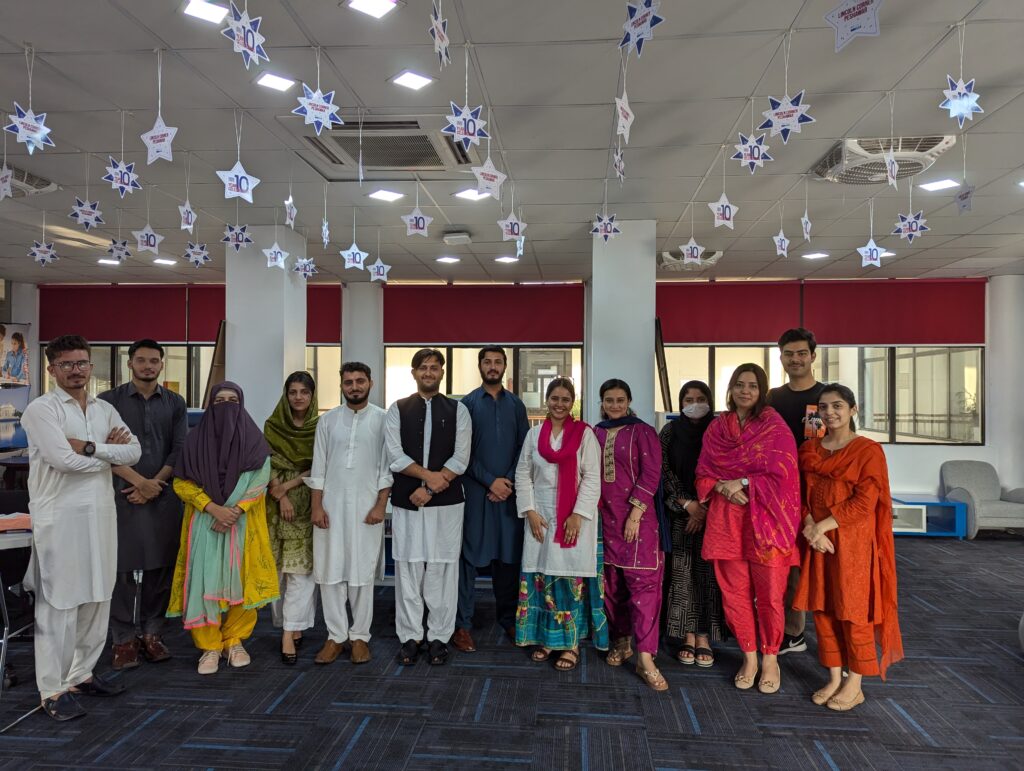
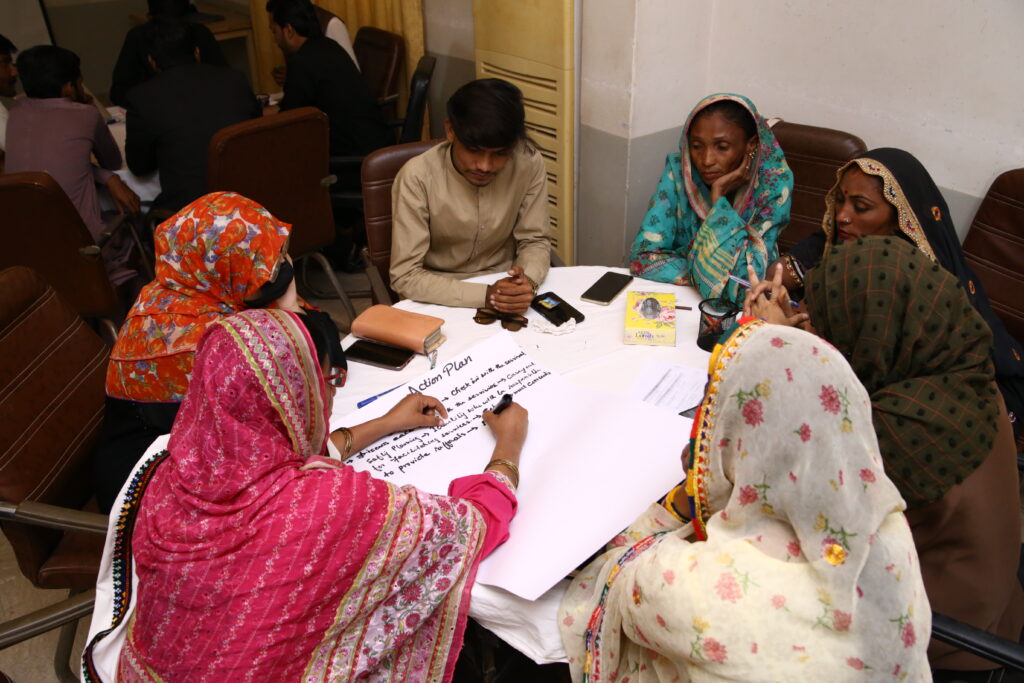
Lady Health Workers (LHWs) and Community Midwives (CMWs) are trusted figures in their communities and possess vital technical knowledge on SRHR. GRACE strengthens their capacity to understand and address the intersection of climate and gender by:
- Training them to respond to SRHR needs during climate-induced crises, including menstrual hygiene management and maternal care
- Supporting them to create safe spaces for women and girls in disaster relief shelters and flood camps
- Facilitating linkages with grassroots CSOs for coordinated, gender-sensitive disaster responses
- Enabling them to advocate with local governments for inclusive health strategies that prioritize the needs of women, girls, and transgender persons in climate emergencies
Bridging Grassroots Voices with Policymaking
GRACE creates platforms for grassroots actors and youth leaders to directly engage with key government institutions, including District Disaster Management Authorities (DDMAs), Social Welfare Department, Population Welfare Department, and Health Department. Through roundtable dialogues, policy forums, and joint planning sessions, we enable communities to advocate for gender-sensitive disaster response plans. These spaces ensure the inclusion of marginalized voices especially young girls, women, transgender persons, and persons with disabilities in climate resilience policies and programs.
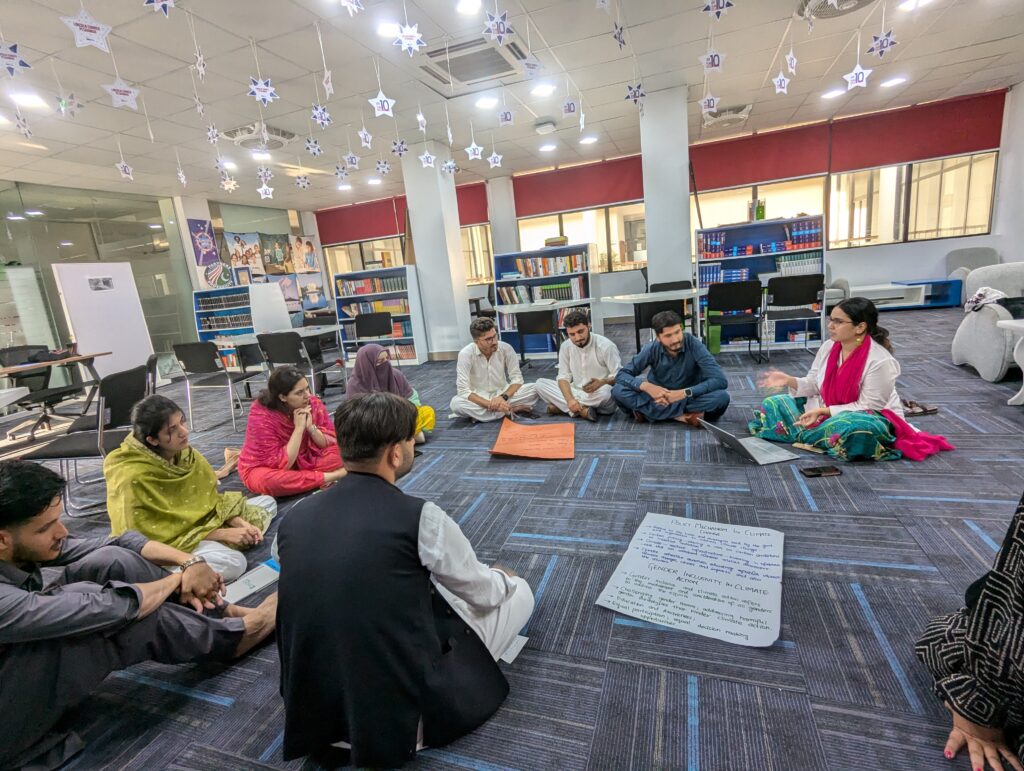
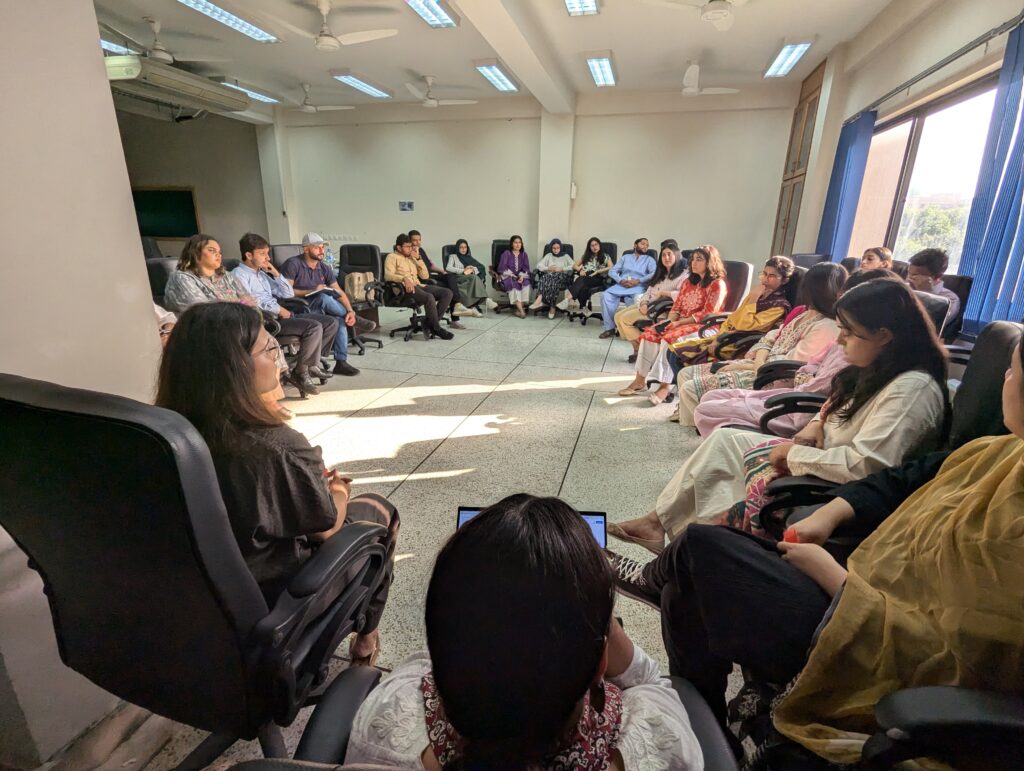
Collective Advocacy through the GRACE Consortium
The GRACE Consortium brings together grassroots organizations, climate activists, youth leaders, Lady Health Workers (LHWs), and frontline responders to drive collective action for gender-responsive climate policies. By sharing resources, coordinating joint campaigns, and engaging in advocacy at local, national, and global levels, the consortium amplifies the voices of communities most affected by climate change, builds stronger and interconnected networks across gender justice and climate justice movements, and bridges silos between organizations working in these spaces to advance holistic, intersectional climate resilience efforts. Together, we co-develop advocacy asks and briefs rooted in community realities, which are then used to influence policy discussions at national and global platforms such as COP, ICFP, CSW, UNGA, and APFSD ensuring that the lived experiences of young girls, women, and transgender persons shape climate resilience agendas worldwide.